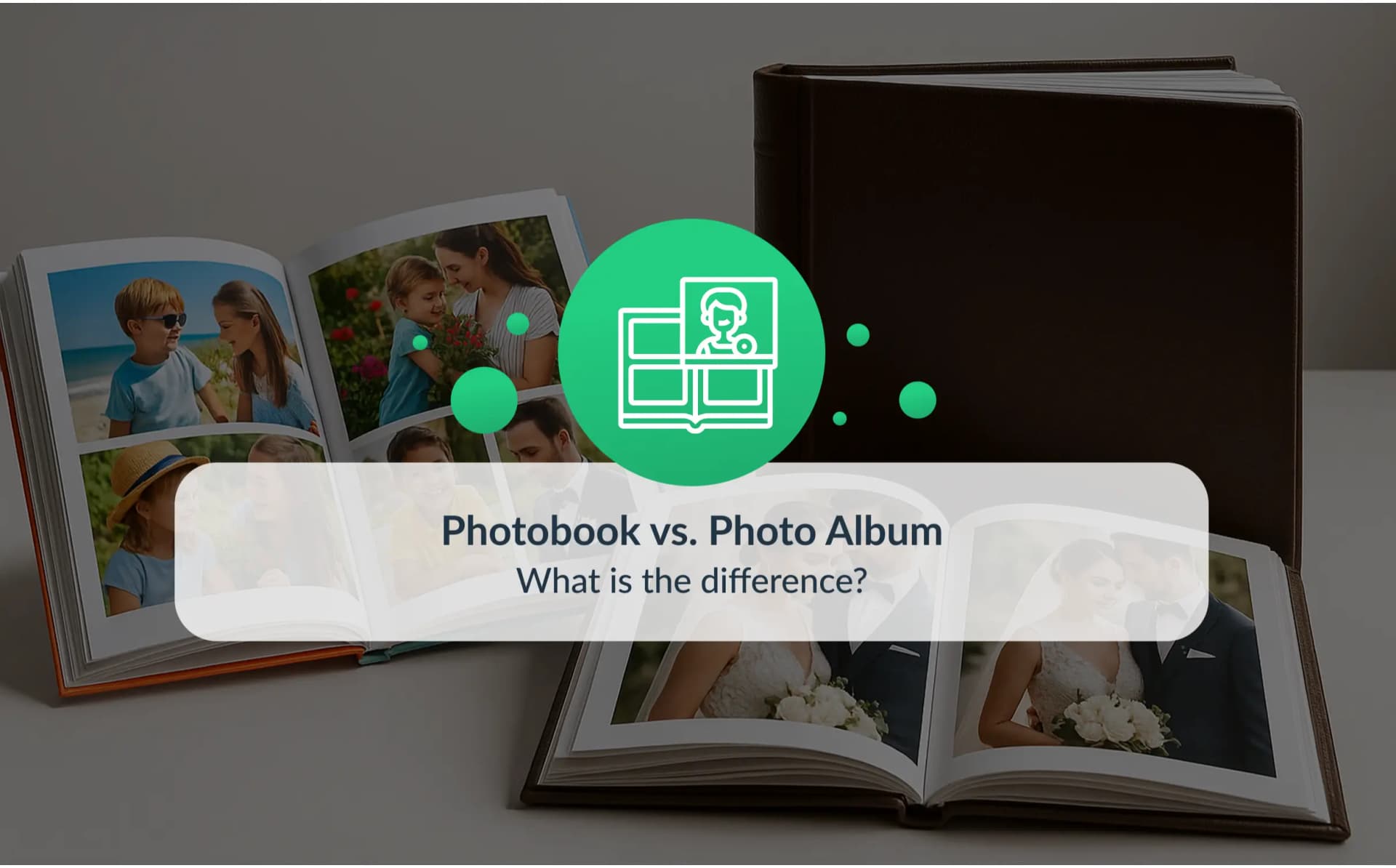
This article clarifies the essential differences between a photobook and a photo album, detailing their distinct characteristics, from paper and binding to production methods and price. It provides clear guidance on when to recommend each product—photobooks for everyday moments and premium albums for major life events—helping businesses educate their customers and strategically position their offerings for different markets and occasions.
This article is about how e-commerce businesses can effectively sell premium personalized products by strategically showcasing their quality to justify a higher price point. It explains that instead of simply making marketing claims, businesses must build trust and convey value through a multi-faceted approach that includes a comprehensive visual strategy (from high-resolution studio photos and 360° views to AI-generated mockups), compelling product descriptions that blend technical details with emotional storytelling, premium packaging that extends the luxury experience, and leveraging social proof through customer testimonials and user-generated content (UGC). The central argument is that investing in this kind of transparent, multi-format showcasing is the most effective way to build a trustworthy brand and defend premium pricing in a competitive market.
This article is about the evolution of the photo book and album market, focusing on the comparison between traditional and digital photo books, integration with social media, the role of artificial intelligence in photo book creation, and future predictions for the industry. It discusses how user expectations have shifted, the impact of AI on streamlining design processes, and upcoming trends such as real-time relevance, generative AI, and cross-format storytelling.
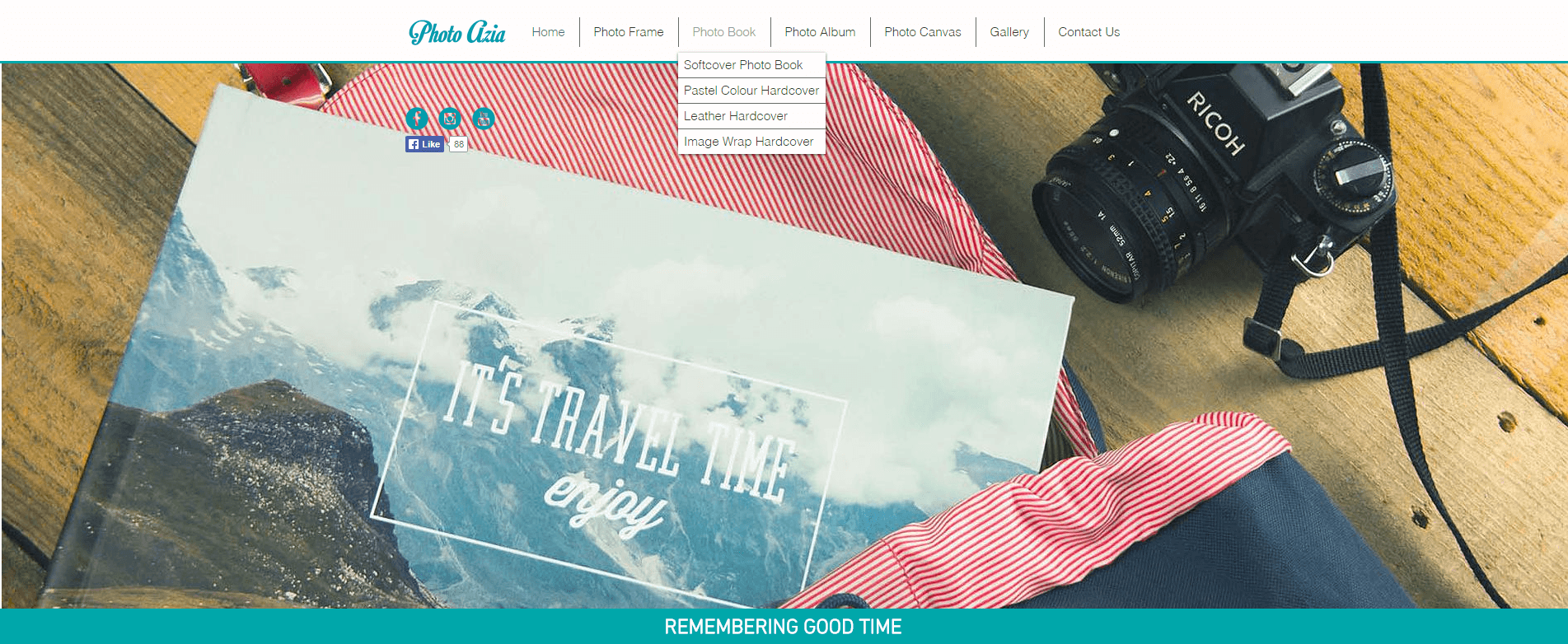
When customers visit your e-commerce store, there’s a good chance they’re looking for something in particular. Whether it’s a square hardcover photobook, a photo calendar or a photo mug, if they can’t easily find it they’re not likely to buy it from you. Research shows that nearly 55 percent of online visitors spend fewer than…