The Psychology of Personalization. Why “Smart Creation” Reduces Decision Paralysis

When conversion rates stop improving even though your site gets plenty of visitors, e-commerce teams usually try changing promotions or updating landing pages. For stores that sell personalized photo products, though, these fixes have their limits. Personalization is your main advantage, yet many businesses still see it as just an extra feature rather than the key to their success.
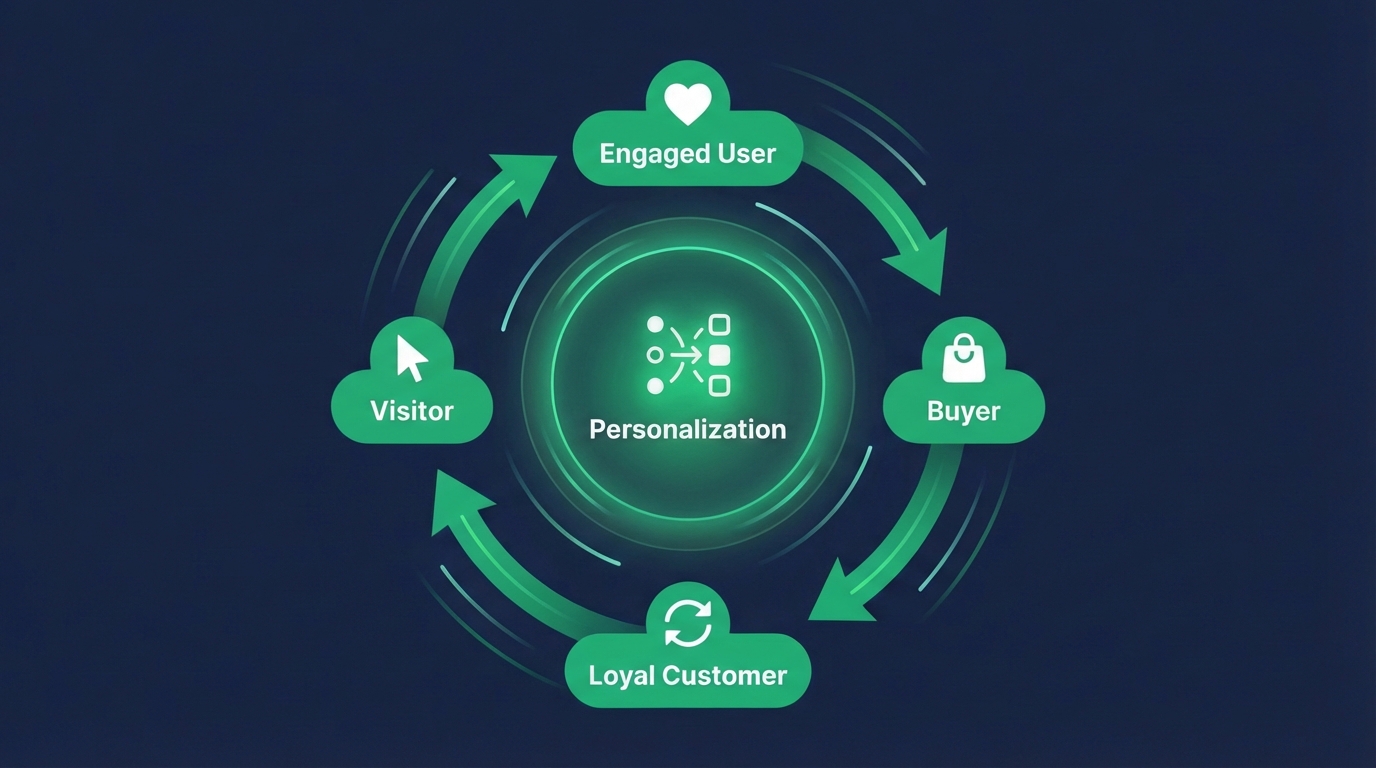
Offering a more personalized experience does more than just improve your numbers; it changes the entire customer journey. From the homepage to checkout, smart customization affects everything—how products are created, what gets recommended, pricing, and even how customers feel about your brand. This approach turns visitors into buyers and buyers into loyal customers. In this article, we’ll look at where this value is created and how you can get more of it without losing the ability to grow.
What Conversion Metrics Reveal About Personalization
The emotional nature of photo product purchases
Photo products are not bought on a whim. Customers care deeply about them because they are saving memories, making gifts, or celebrating important moments. This emotional connection makes people more willing to personalize, but it also raises their expectations.
To earn trust, the customer experience should be easy to use and allow for creativity. Simple image uploads or awkward editors can frustrate people. Features like real-time previews, helpful suggestions, and an easy process are not just nice extras. They actually help drive sales.
Why traditional metrics don’t tell the full story
KPIs such as click-through rates and cart abandonment give a quick overview. However, by themselves, they do not capture the details of how people personalize products. For example:
- Spending a long time on the site might mean users are very engaged, or it could mean they are struggling with a confusing editor.
- If few people buy from product pages, the problem might not be the writing. It could be that there are not enough ways to personalize the product.
- If many people look at customized products but then leave, it could mean the preview does not work well or there is not enough flexibility.
You need to look at conversion signals while also thinking about emotional design, how valuable the product seems, and how much work it takes to create.
Where Personalization Drives ROI Along the Customer Journey
Product discovery and intent
Personalization starts even before the editor opens. Smart storefronts look at browsing habits, gifting calendars, and past purchases to show the most relevant templates and products. This helps create the right experience from the beginning.
Brands using Printbox often see improved product discovery by leveraging our Smart Ideas Module, which surfaces dynamically generated product suggestions based on real user activity and previous templates. This not only speeds up decision-making but also nudges users toward designs that resonate emotionally – increasing starting rates inside editors.
Platforms with an AI photo book creator make discovery even more accurate, especially when they use past behaviors or themes to suggest products in real time. These systems do more than show relevant products—they help shape the design journey from the very first click.
Pricing perception and premium value
Personalized products usually cost more, but customers might not notice the value right away. Since the emotional reward comes at the end, it’s important that pricing feels fair from the start. Features like dynamic previews, AI layout suggestions, and better designs help customers see the premium value early, making a $40 photobook feel special instead of ordinary.
For people buying gifts, showing how easy it is to get great results in just a few steps can really make the product feel more valuable.
Checkout and post-purchase confidence
When customers reach checkout, customization can make them anxious and unsure if they made the right choices. This lack of confidence often leads to abandoned carts. Features such as live previews, auto-enhancement, and smart approval flows can help address this problem.
Letting customers make last-minute edits or showing them how their result compares to a popular template can ease hesitation and increase completed purchases. These options give users more control and confidence when it matters most, which can also lower churn.
The Role of Smart Product Editors in Reducing Friction
What “smart” really looks like
Generic design tools are not enough. A smart editor should anticipate customers’ needs and make the process less overwhelming. It should:
- Suggest layouts based on upload patterns (e.g. portrait vs landscape mix)
- Auto-place photos in best-fit frames with sensible spacing
- Support undo/redo and easy global style changes

These features make design easier, so even users who do not see themselves as creative can get results they like more quickly.
Smart layout technology helps by arranging images and themes thoughtfully, rather than just placing photos in empty spaces.
Case for automation in the editor
When you automate layout suggestions, fill in text fields like name and date, and finish up the design, you can speed up checkout and make customers happier. The important thing is to do this smoothly, so you help users without taking over.
On average, Printbox users who implement our AI-assisted editor features see a 35% decrease in average session time while maintaining the same or better conversion rates. That’s not about rushed customers – it’s about frictionless creation and better UX, especially with automated design software that proactively solves visual and formatting issues.
Balancing Automation with Customization
Why personalization isn’t just about control
Some teams worry that excessive automation erodes a sense of ownership. In practice, though, customers usually appreciate having some structure. Most people prefer to adjust a design they already like rather than start from scratch. Automation helps make this possible.
The real benefit comes from guided personalization. Start by offering users smart defaults, then let them make changes that feel meaningful to them. Too many choices can be overwhelming and slow people down. A curated path that still allows for personal touches works better than either templates or a blank slate.
Behavioral science confirms it
Want proof? Research in Behavioral Economics in E-commerce shows that too many options can reduce follow-through. Progressive disclosure, which means revealing complexity only when necessary, helps more people finish tasks and feel satisfied.
Especially in gifting scenarios, showing that “most customers choose X” or previewing personalized options based on age, occasion or relationship type turns effort into momentum. And importantly, giving users the flexibility to personalize with structure helps reduce churn rate by creating a satisfying and quick path to successful outcomes.

A Fresh Perspective: How AI Personalization Helps Photo Product Stores Succeed
Photo products combine user data, emotional moments, and ready-made templates, making them a great fit for advanced AI.
- AI-powered editors can recommend full photobooks using a set of selected images.
- Predictive analytics can pair templates with gift occasions by looking at how users browse.
- Language AI can recommend messages by analyzing the mood of uploaded captions.
This isn’t just theory. Real teams are already building with it. If you’re curious how, AI the Future of Personalized Printing breaks down real-world use cases surfacing right now in retail print settings.
Printbox has integrated machine learning models that recommend photo layouts based on image quality and subject composition. This auto-curation not only saves users time but boosts perceived product appeal – since poorly cropped or unbalanced pages are one of the top reasons for mid-editor dropouts. This type of smart layout technology ensures a smoother experience from the beginning, especially in tools like an AI photo book creator where customers rely on automation to get started.
Another advantage? When bundled with automated design software, the AI photo book creator drastically reduces the barrier to entry for new users and makes finishing projects feel seamless and empowering.
Impact on Conversion Metrics
Let’s take a step back. What actually drives an increase in revenue?
Personalization connects directly to the main factors that boost conversions:
- When customers find products more easily, they use the editor more often.
- Smarter editors shorten time-to-checkout
- Guided customization helps customers feel more confident in their designs and leads to better results.
- When customers better understand the value, they spend more and are less likely to return items.
Dig into customer feedback, not just quantitative metrics. Sentiment, friction points, and success moments tell you where to invest next. Personalization isn’t static – it evolves with each user behavior cue.
Want to see real brand examples? Our post on Personalized Customer Experience highlights how top print e-commerce stores align UX and emotion to improve conversion lift.
Let’s Talk Possibilities
If you’re considering a smarter path to higher conversion for photo products, the technology is ready. From smarter editors to AI photo book creator functionality, solutions now exist to streamline and personalize at scale. Want to see it in action? Book a Printbox demo tailored to your store’s goals. Have questions or specific needs? Contact the Printbox team – we’re happy to go deeper on how personalization can become your strongest conversion asset.

Sylwia Kopeć
She collaborates with her team to develop and implement the company's marketing strategies. With a strong background in marketing communications, online marketing, and content marketing, she efficiently integrates these strategies into the brand. Her focus on omnichannel digital campaigns, keen analysis of client needs, and creative approach have delivered significantly enhanced Printbox's market presence.